Achieve Balance: Your Guide to Vegan Nutrition
Veganism is more than just a diet; it’s a lifestyle choice that emphasizes compassion for animals and the environment. However, transitioning to a vegan diet can raise questions about nutrition and how to maintain a balanced intake of essential nutrients. This guide aims to provide you with practical tips and insights to achieve a well-rounded vegan diet, ensuring you meet your nutritional needs while enjoying delicious plant-based foods.
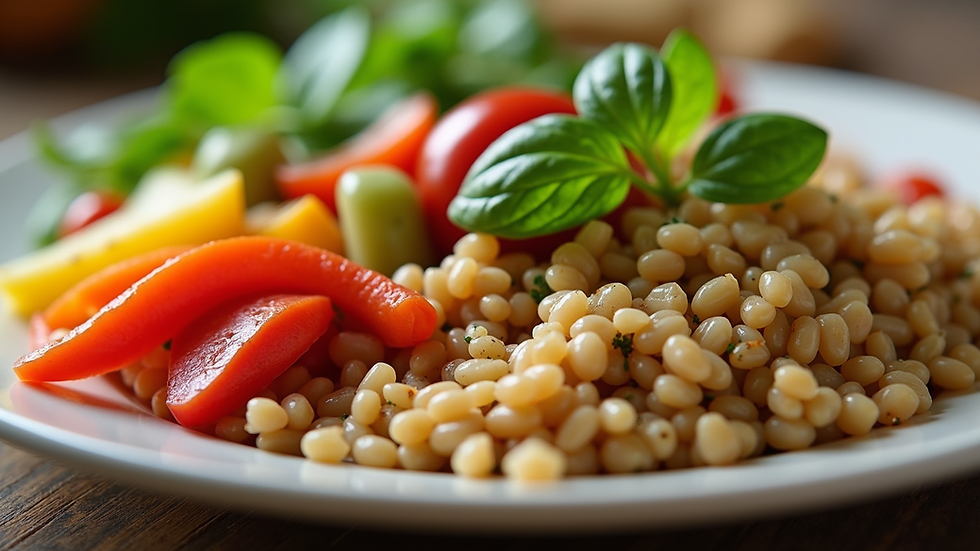
Understanding Vegan Nutrition
What is Vegan Nutrition?
Vegan nutrition focuses on consuming plant-based foods while avoiding all animal products, including meat, dairy, and eggs. This diet is rich in fruits, vegetables, whole grains, legumes, nuts, and seeds. The challenge lies in ensuring that you receive all the essential nutrients your body needs to function optimally.
Key Nutrients to Consider
When adopting a vegan diet, pay attention to the following nutrients:
Protein: Vital for muscle repair and growth. Sources include lentils, chickpeas, quinoa, tofu, and tempeh.
Iron: Important for blood health. Plant-based sources include lentils, beans, fortified cereals, and spinach. Pairing iron-rich foods with vitamin C sources like citrus fruits can enhance absorption.
Calcium: Essential for bone health. Look for fortified plant milks, tofu, almonds, and leafy greens.
Vitamin B12: Crucial for nerve function and the production of DNA and red blood cells. Since B12 is primarily found in animal products, consider fortified foods or supplements.
Omega-3 Fatty Acids: Important for heart health. Flaxseeds, chia seeds, and walnuts are excellent sources.
Building a Balanced Vegan Plate
The Plate Method
One effective way to ensure a balanced meal is to use the plate method. Divide your plate into sections:
Half the plate: Fill with non-starchy vegetables like broccoli, carrots, and bell peppers.
One quarter: Include whole grains such as brown rice, quinoa, or whole grain pasta.
One quarter: Add a source of protein like beans, lentils, or tofu.
Sample Meal Ideas
Breakfast: Overnight oats topped with chia seeds, berries, and almond milk.
Lunch: Quinoa salad with black beans, corn, diced tomatoes, and avocado.
Dinner: Stir-fried tofu with mixed vegetables served over brown rice.
Snacks and Treats
Healthy snacking can help maintain energy levels and prevent overeating at meal times. Here are some nutritious vegan snack ideas:
Hummus with carrot and cucumber sticks
Nut butter on whole grain toast
Fruit smoothies with spinach and almond milk
Roasted chickpeas seasoned with spices
Meal Planning and Preparation
Tips for Effective Meal Planning
Plan Ahead: Dedicate time each week to plan meals and snacks. This helps avoid last-minute unhealthy choices.
Batch Cooking: Prepare large quantities of grains, beans, and vegetables to use throughout the week.
Use a Variety of Ingredients: Incorporate different colors and types of foods to ensure a wide range of nutrients.
Easy Vegan Recipes
Chickpea Salad Sandwich: Mash chickpeas with vegan mayo, diced celery, and spices. Serve on whole grain bread.
Vegetable Stir-Fry: Sauté your favorite vegetables with tofu and soy sauce. Serve over brown rice or quinoa.
Lentil Soup: Cook lentils with diced tomatoes, carrots, and spices for a hearty meal.
Overcoming Common Challenges
Nutritional Deficiencies
Many new vegans worry about deficiencies. Regularly include fortified foods and consider supplements for nutrients like B12 and omega-3s. Regular blood tests can help monitor your nutrient levels.
Social Situations
Eating out or attending social gatherings can be challenging. Research menus in advance, and don’t hesitate to ask for vegan options. Bringing a dish to share can also ensure you have something to enjoy.
Staying Informed
Resources for Vegan Nutrition
Books: Look for reputable vegan cookbooks that focus on nutrition.
Websites: Explore resources like the Vegan Society or nutrition-focused blogs for recipes and tips.
Dietitians: Consider consulting a registered dietitian specializing in vegan nutrition for personalized advice.
Conclusion
Achieving balance in vegan nutrition is entirely possible with careful planning and a focus on variety. By understanding your nutritional needs and incorporating a wide range of plant-based foods, you can thrive on a vegan diet. Remember, it’s not just about what you eat, but how you approach your meals. Embrace the journey, experiment with new recipes, and enjoy the vibrant world of vegan cuisine. Start today by planning your meals for the week and exploring new ingredients. Your body and the planet will thank you!


Comments